Knot Therapy Massage LLC for Personalized Massage Services
Knot Therapy Massage LLC for Personalized Massage Services
Blog Article
Massage Therapy: Tap into Relaxation and Wellness Today
Massage therapy acts as a valuable resource for enhancing calmness and complete wellness. By manipulating soft tissues, it manages muscular tightness and mental strain. Varied techniques meet individual needs, delivering potential benefits that extend beyond the session. However, many may wonder what to expect during their first experience or how to determine the suitable method. Grasping these elements can substantially improve the impact of massage therapy in one's self-care routine.
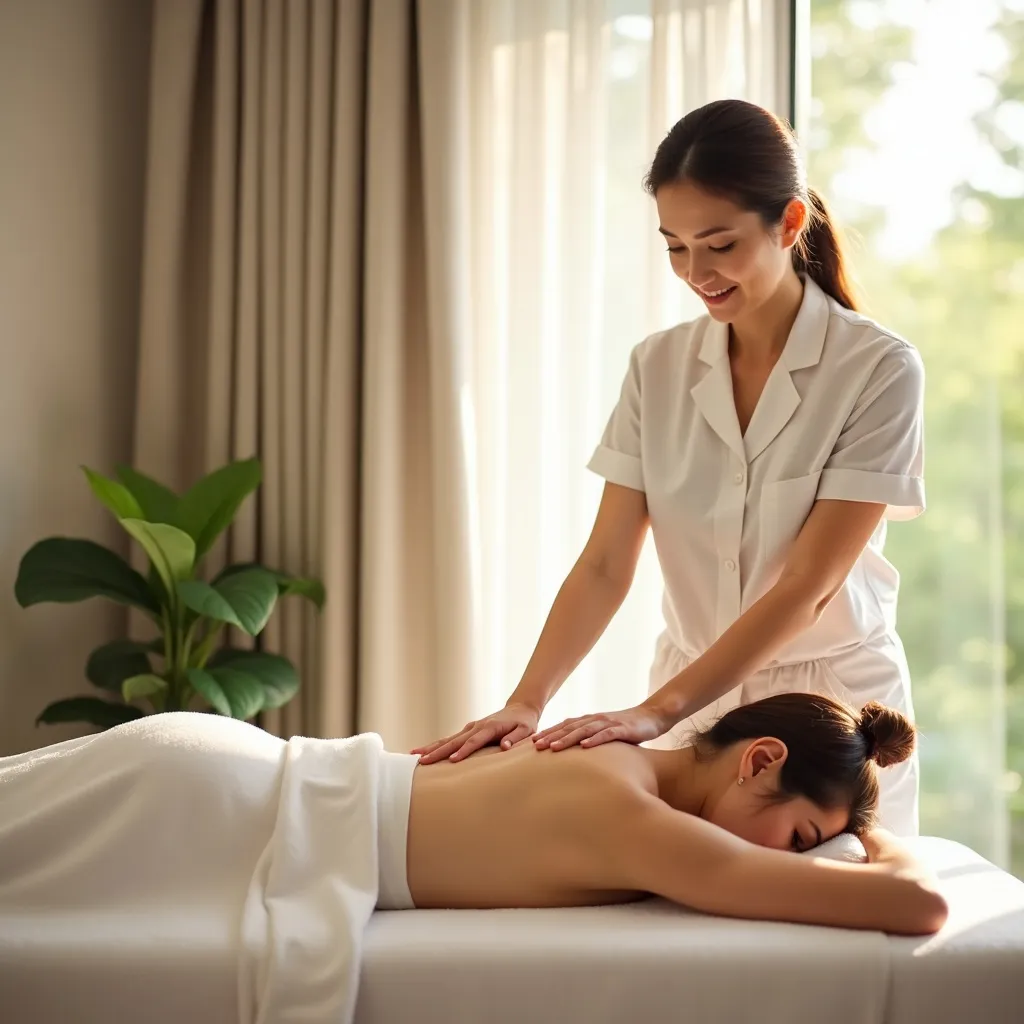
What Constitutes Massage Therapy and How Does It Work?
Massage therapy is a hands-on approach that involves manipulating the body’s soft tissues to support relaxation and healing. This therapeutic approach targets the muscles, tendons, ligaments, and fascia, using various techniques to reduce tension and raise overall well-being. By applying pressure and movement, massage therapy promotes circulation, enhances flexibility, and reduces stress levels.
The physical effects of therapeutic massage can include increased blood flow, which assists in the delivery of oxygen and nutrients to tissues, while also supporting the removal of metabolic waste. Additionally, massage can stimulate the parasympathetic nervous system, promoting a state of calm and relaxation. This practice extends beyond physical benefits and can also encourage emotional release, contributing to improved mental clarity and mood. Overall, massage therapy functions as a holistic approach, addressing both physical and psychological aspects of health, thus improving one's quality of life.
Uncover Trending Massage Styles
Massage therapy includes a spectrum of methods, each offering unique advantages. Swedish massage techniques focus on relaxation and circulation, while deep tissue massage addresses chronic tension and pain relief. The incorporation of aromatherapy can boost the complete session, fostering both bodily and mental health.
Swedish Massage Approaches
Swedish massage methods are renowned for their ability to promote composure and mitigate pressure in the body. Implementing extended, continuous movements, these methods aim to maximize perfusion and stimulate the lymphatic system. Key applications include effleurage, or gliding movements, which warm up the muscles; petrissage, involving kneading and squeezing insightful guide to liberate tightness; and rubbing action, which zeros in on specific areas to break down muscular tangles. Tapping, characterized by measured percussion, stimulates the body, while vibration techniques help release deeper tension. These approaches not only furnish physical relief but also promote a sense of emotional wellness. Overall, Swedish massage operates as a base method in the sphere of therapeutic massage, appealing to those seeking both relaxation and rejuvenation.
Intense Tissue Rewards
While Swedish massage techniques focus on relaxation and surface tension relief, deep tissue therapy targets deeper layers of muscle and connective tissue. This method is particularly advantageous for individuals experiencing chronic pain, tension, or injury. By employing firm pressure and slow strokes, deep tissue massage can alleviate muscle knots, improve circulation, and improve flexibility. It is known to promote healing by breaking down adhesions that restrict movement and cause discomfort. Additionally, deep tissue therapy can help decrease stress and anxiety levels, as the release of physical tension often leads to emotional relief. Clients frequently report improved overall wellness and enhanced physical performance following deep tissue sessions, making it a valuable option for those seeking thorough therapeutic benefits.
Aroma science Unification
The combination of essential oil therapy improves the massage experience by combining the therapeutic benefits of essential oils with various massage techniques. This approach not only encourages relaxation but also addresses specific physical and emotional ailments. For instance, Swedish massage, characterized by long, flowing strokes, pairs well with lavender oil to reduce stress and improve sleep quality. Conversely, deep tissue massage, which focuses on deeper muscle layers, can be improved with peppermint oil to ease tension and invigorate the senses. Additionally, aromatherapy can be customized to individual needs, allowing clients to choose oils that resonate with their personal wellness goals. Overall, this integration fosters a holistic approach, elevating both the physical and emotional benefits of massage therapy.
Positive Effects of Frequent Massage Therapy for Stress Relief
Massage therapy performed consistently generates considerable gains for stress management, fundamentally via the mitigation of muscular tension. By diminishing discomfort in the body, individuals commonly experience sharpened mental sharpness. This mixture cultivates a serene mode, supporting overall well-being.
Lower Muscular Strain
Massage therapy alleviates muscle tension efficiently, providing a key release for individuals suffering from stress. Frequent sessions can promote relaxation in tight muscles, easing discomfort and boosting overall physical well-being. Techniques such as kneading, stroking, and applying pressure help enhanced blood circulation and oxygen flow to the targeted areas. As muscle tension decreases, individuals often note a significant decrease in stress levels and a stronger sense of calm. Additionally, easing muscle tension can lead to improved flexibility and range of motion, allowing a more active lifestyle. This therapy not only treats immediate discomfort but also contributes to long-term muscle health, supporting the body’s natural ability to manage stressors effectively.
Improved Cognitive Clarity
Numerous research findings reveal that consistent massage therapy effectively enhance mental clarity, giving individuals a clear focus and better cognitive function. This positive effect stems from lowering stress-inducing chemicals and encouraging relaxation, which fosters a conducive atmosphere for mental processing. Regular sessions also increase blood circulation, providing more oxygen and nutrients to the brain, thereby enhancing overall cognitive abilities. Additionally, the tension relief that comes with massage allows individuals to feel more centered and less distracted, leading to superior decision-making and problem-solving skills. As a result, individuals commonly report increased creativity and productivity in both personal and professional contexts. Making regular massage therapy a part of one’s routine can therefore serve as a strong tool for mental improvement and well-being.
What Occurs in Your First Massage?
When someone meets with their first massage, a mixture of eagerness and apprehension often comes with them. Upon arrival, they are typically welcomed by a peaceful environment, intended to encourage relaxation. The massage therapist usually opens with a brief consultation to explore any particular areas of concern and preferences relating to pressure and technique.
Once the meeting is done, the individual is led to a private room where they can undress to their preference level, often beneath a towel. The therapist then applies multiple approaches, such as manipulation or stroking, to target tightness and facilitate relaxation. Throughout the appointment, communication is supported to make certain the treatment addresses the individual's needs.
As the therapeutic session unfolds, the individual may feel a variety of sensations, from relief to profound calm. By the end, they often encounter a feeling of peace, greater bodily consciousness, and a inclination to include massage into their wellness routine.
Finding the Perfect Massage for Your Needs
After having their first massage, many individuals may wonder how to choose the most appropriate type for their specific needs. Multiple massage modalities exist, each designed to address varying issues. For relaxation, Swedish massage provides soft techniques that enhance overall well-being. Those with persistent discomfort or muscular tightness might gain advantages from deep tissue massage, which focuses on underlying structures of muscle and connective tissue.
Additionally, athletic massage is tailored for athletes, focusing on improving performance and recovery. For individuals experiencing stress or anxiety, aromatherapy massage uses essential oils to foster emotional balance. It is essential to consider personal preferences and any specific physical conditions before making a choice. Consulting with a licensed massage therapist can provide valuable insights, ensuring the chosen massage aligns with individual goals, whether it's relaxation, pain relief, or better mobility. Understanding these options enables individuals to make informed decisions, improving their overall massage experience.
Home Strategies to Enhance Your Massage Impacts
Many individuals seeking to enhance their therapeutic session can gain from adding straightforward home strategies. Preparing a calming environment is essential; lowering lights and putting on soft music can create a peaceful atmosphere. Furthermore, applying essential oils, such as lavender or eucalyptus, can amplify relaxation and provide therapeutic benefits.
Doing deep breathing exercises throughout a massage can help release tension and promote a profound bond with the body. Stretching gently before the session also aids in loosening muscles, making the massage more successful. Staying hydrated is important; taking in water post-massage helps flush out toxins and maintain muscle elasticity.
Finally, keeping up with a steady self-care schedule, including regular massages and at-home methods, can significantly enhance overall wellness. Through implementing these strategies, people can optimize the benefits of their massage therapy, resulting in a more profound sense of relaxation and rejuvenation.
Often Asked Questions About Massage Services
What questions do people commonly ask about therapeutic massage? Many individuals ask about its advantages, often wondering how it can alleviate stress, decrease pain, and enhance overall wellness. Others ask about the different types of massage, such as Swedish, deep tissue, and sports massage, and which might be most suitable for their requirements.
Safety represents another concern; people frequently question whether massage therapy is appropriate for specific health conditions or if it poses any risks. Additionally, potential clients often wonder about the qualifications and training of massage therapists, seeking assurance of professionalism and expertise.
Finally, expense and duration of sessions are typical questions. Clients want to comprehend the standard price range and the amount of time a session should last for maximum effectiveness. Answering these questions helps clarify the practice and motivates individuals to discover the numerous benefits of massage therapy.
Frequently Asked Questions
Is Therapeutic Massage Safe for Expecting Women?
Prenatal massage can be safe for pregnant women when administered by a certified professional knowledgeable in pregnancy-specific methods. However, it's vital to speak with a healthcare provider before commencing treatment to ensure individual safety and comfort.
Does Therapeutic Massage Support Treatment Of Chronic Pain?
Massage therapy can lessen chronic pain by supporting relaxation, increasing blood circulation, and relieving muscle tension. Various techniques may provide relief, but individual responses vary, so consulting a healthcare professional is advisable for tailored treatment.
How Frequently Should I Receive a Massage Therapy?
Health professionals advise obtaining a therapeutic massage every one to four weeks, depending on personal needs and health circumstances. Ongoing treatments can aid maintaining physical and mental well-being, enhancing relaxation and possibly alleviating persistent pain over time.
What Should I Put On During a Massage Therapy?
Clients typically dress in loose, soft clothing during a massage session or may prefer to undress, depending on their preference and the form of massage. Therapists use draping to provide privacy and contentment throughout the entire session.
What Age Restrictions Apply for Massage Therapy?
Age limits for massage therapy vary by location and establishment. Typically, minors may need parent approval, while older individuals often have no limitations. Always consult individual massage therapists for their individual policies regarding age.
Report this page